Choosing the best Sex Swing involves more than comparing colors, prices, and advertised weight limits. Safety comes first. A reliable choice should match your body size, room structure, experience level, and intended use. Look for strong stitching, reinforced straps, smooth hardware, and clearly stated load ratings. Small details matter.
The installation point deserves careful attention. A ceiling anchor must connect with suitable structural support, not decorative panels or weak fixtures. Doorway models need compatible frames and secure locking systems. Always follow the manufacturer’s instructions, and avoid modifying the equipment without professional guidance. Before use, inspect every strap, buckle, carabiner, and seam for fraying, bending, cracks, or unusual movement.
Comfort also affects safety. A padded seat can reduce pressure, while adjustable straps help keep the body balanced. Keep sharp edges away from skin, and place a soft mat beneath the swing. Test the setup gradually with light pressure before supporting full body weight. Nothing is foolproof. Even a high-quality Sex Swing can become unsafe when overloaded, installed carelessly, or used with damaged parts.
Clear communication remains essential between partners. Agree on limits, signals, stopping words, and regular check-ins before beginning. Never treat discomfort as something to ignore. A product may appear sturdy, yet its real performance depends on correct installation and careful use. This guide focuses on practical evaluation, honest risk awareness, and informed purchasing. Some recommendations may need adjustment for different bodies, spaces, and experience levels. That uncertainty deserves attention, not dismissal.
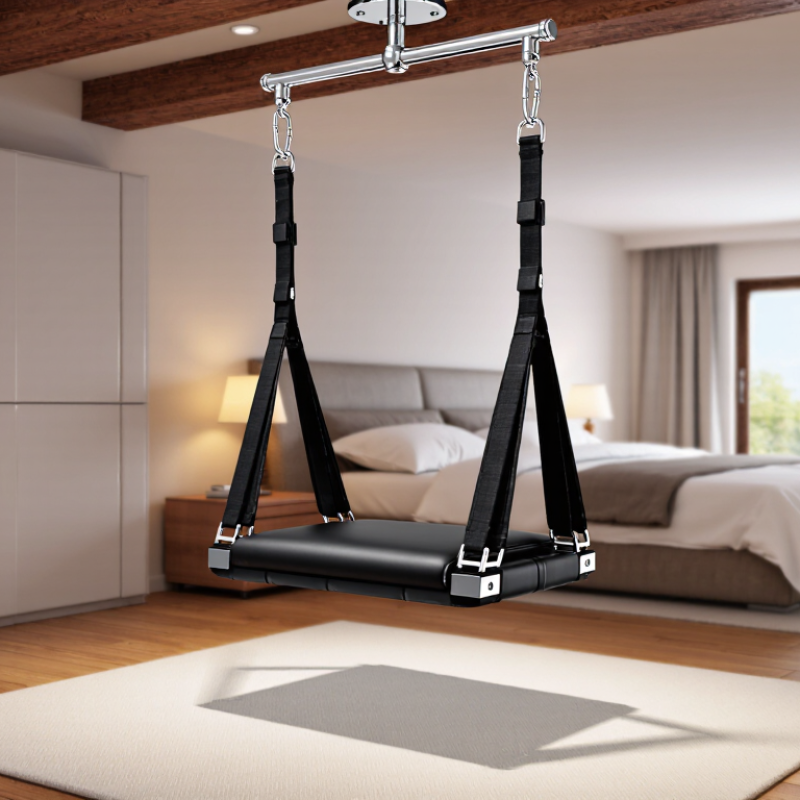
Choosing the best sex swing starts with understanding its design, not its appearance. Door-mounted swings suit temporary use and easy storage, but the door and frame must be strong and securely closed. Freestanding models offer more flexibility and usually need a wider, level floor. Ceiling-mounted swings can feel stable, yet they require proper structural support and careful installation. Never attach hardware to drywall alone. Each type serves a different purpose, and using the wrong setup can create serious injury risks.
A reliable swing should include adjustable straps, strong stitching, supportive padding, and clearly stated weight limits. Check every buckle, seam, and anchor point before use. The stated limit is not a target; leave a sensible safety margin. One easy-to-miss detail is body alignment. Straps should support the body without pressing sharply against the neck, joints, or sensitive areas. Comfort matters because discomfort can delay a stop.
Tips: Begin with low movement and a short session. Keep the floor clear and use soft padding beneath the swing. Agree on a clear stop word or hand signal before starting. Communicate throughout, especially when changing position. Inspect the equipment again after use, even if nothing appears damaged. I would not rely on a reassuring label alone; installation quality, regular inspection, and honest communication matter just as much. Replace worn parts instead of improvising repairs.
| Sex Swing Type | Typical Design | Intended Use | Best Suited For | Key Safety Requirements | Important Limitations |
|---|---|---|---|---|---|
| Basic Full-Body Swing | A fabric or padded seat supported by straps, with leg openings and adjustable suspension points. | Supported seated or reclined activity with limited movement. | Beginners and users who want broad body support. | Use a properly rated anchor; inspect webbing, stitching, buckles, and carabiners before every use; adjust straps evenly. | Not automatically suitable for vigorous motion, inversion, or weight exceeding the stated limit. |
| Door-Mounted Swing | A compact suspension system that attaches to a closed, reinforced door using an over-door strap. | Light, low-range supported positioning without permanent installation. | Renters or users with limited space. | Confirm door direction, frame strength, hinge condition, and the system’s load rating; keep the door locked or otherwise secured. | Generally offers less stability and lower dynamic-load tolerance than a correctly installed ceiling or beam anchor. |
| Ceiling-Mounted Swing | A swing connected to one or more permanent ceiling attachment points. | Stable supported activity with greater clearance and movement range. | Frequent users who can verify the building structure or hire a qualified installer. | Attach only to an adequately reinforced structural member; do not rely on drywall, plasterboard, or a decorative ceiling surface alone. | Incorrect installation can cause serious injury or structural damage; professional assessment may be necessary. |
| Beam- or Joist-Mounted Swing | A swing attached directly to an exposed, verified structural beam or joist. | Supported suspension where the attachment point can be inspected directly. | Users with suitable exposed structural members and adequate overhead clearance. | Verify wood or metal member condition, fastener compatibility, edge distances, and the complete system rating. | A visible beam is not automatically strong enough; avoid damaged, split, corroded, or modified structural members. |
| Portable Stand Swing | A freestanding frame with a wide base, crossbar, and suspended seat. | Temporary or movable use without drilling into walls or ceilings. | Users who need portability or cannot alter the room structure. | Place on a level, non-slip surface; fully tighten connections; check for frame movement, tipping, and floor clearance. | Requires sufficient floor space and may have less lateral stability than a properly installed fixed anchor. |
| Hammock-Style Swing | A broad fabric sling that distributes weight across the back, hips, and thighs. | Relaxed reclined or semi-reclined positioning with continuous body support. | Users prioritizing comfort and reduced pressure on individual contact points. | Check fabric strength, seam condition, suspension symmetry, and circulation; change position if pressure or numbness develops. | Fabric can conceal wear; it may be harder to adjust quickly or maintain a precise position. |
| Low-Profile or Kneeling Swing | A compact seat or support system designed to keep the body closer to the floor. | Lower-height supported positioning and easier access for adjustment. | Beginners or users who want reduced fall distance. | Use suitable padding beneath or around the user; keep limbs clear of pinch points; maintain stable, gradual movement. | Reduced height does not eliminate injury risk, especially from sudden movement or unstable attachments. |
| Multi-Point Adjustable Swing | Several independent straps or suspension points for changing body angle and support. | More customized positioning and controlled angle adjustment. | Experienced users who understand strap adjustment and load distribution. | Adjust one strap at a time; keep loads balanced; verify every connection before transferring body weight. | More adjustment points create more opportunities for uneven loading, entanglement, or incorrect setup. |
Choose reinforced webbing, strong stitching, smooth hardware, and padded contact areas.
Include every user’s weight and leave a generous safety margin.
Check seams, buckles, straps, carabiners, anchors, and attachment points.
Use a structural beam or a professionally installed anchor.
Test it gradually with weighted objects before anyone mounts it.
Sit in the harness before mounting it.
Use informed adult consent and agree on a clear stop signal.
Clean washable parts with mild soap, then dry them completely.
Stop using the equipment and replace the questionable part.
Choosing the best Sex Swing begins with understanding the different styles and their intended uses, so you can select one that matches your space, experience level, and comfort preferences. Pay close attention to the materials, stitching, hardware, weight limits, and overall construction quality. A reliable mounting system is equally important: consider whether a ceiling, door, or freestanding option is suitable, and confirm that the installation surface can safely support the expected load.
Comfort and adjustability should also guide your decision. Look for supportive seats, secure straps, padding where needed, and simple adjustment features that help users maintain a stable position. Before use, carefully follow all setup instructions, inspect every connection, and test the swing gradually with minimal load. During use, communicate clearly, avoid sudden movements, and stop immediately if anything feels unstable or uncomfortable. Regularly check for wear, loose hardware, or damaged materials, and clean and store the swing according to its care requirements. Safety, comfort, and responsible maintenance should always take priority over appearance or extra features.

 9SEXY
9SEXY