As we venture into 2026, the world of sex toys continues to evolve. Innovators in the industry are pushing boundaries with technology and design. Vibrators, BDSM gear, and smart devices are changing the way people experience pleasure.
Many consumers now seek more than just physical satisfaction. Emotional connection and intimacy play crucial roles in choosing a sex toy. Preferences vary widely, creating a diverse market. This also means some products might not meet every user's expectations. Exploring new options often brings surprises, good or bad.
Understanding the latest trends can be crucial for informed choices. Are these new releases worth the hype? With countless options available, discerning quality products requires careful consideration. It's essential to approach these trends with a critical eye.
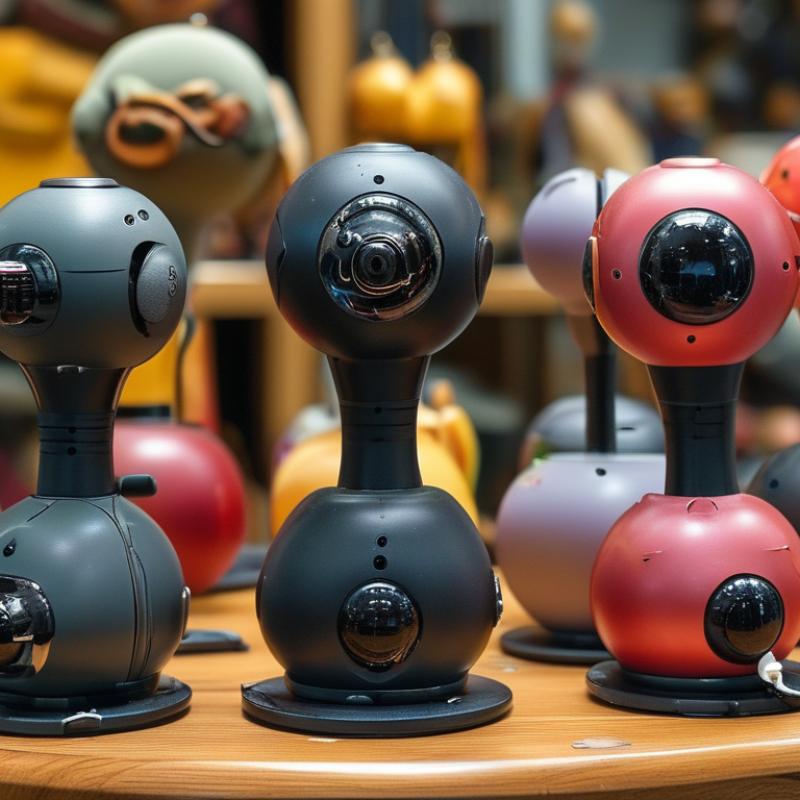
As we look ahead to 2026, the sex toy industry is expected to see innovative trends reflecting societal shifts and technological advancements. A recent report from Market Research Future indicated that the market is projected to grow by 7% annually. This growth is driven by a demand for personalization and enhanced user experience. Online shopping for sex toys is also on the rise, with a majority of consumers preferring discreet purchases.
One of the notable trends is the integration of smart technology into sex toys. Devices that sync with mobile apps allow users to customize settings and even connect with partners remotely. These features promote intimacy, even at a distance. Another emerging trend is sustainability. Many consumers are now seeking eco-friendly materials and ethical production methods. This shift in preferences pushes manufacturers to rethink their approaches.
When exploring new options, consider your personal preferences. Look for products that offer different textures and functionalities. Don't hesitate to experiment with various types of toys. It’s essential to prioritize safety and hygiene, ensuring that any items used are body-safe and easily cleaned. Personal satisfaction and comfort are pivotal in enhancing the experience, so trust your instincts as you explore what's new in this ever-evolving landscape.
| Trend | Description | Key Features | Material | Target Audience |
|---|---|---|---|---|
| Smart Toys | Connected devices that can be controlled via smartphone. | Bluetooth connectivity, app-controlled, customizable settings. | Silicone, ABS plastic. | Couples, tech enthusiasts. |
| Eco-Friendly Options | Sustainably sourced and biodegradable materials. | Natural materials, sustainable packaging. | Bamboo, organic rubber. | Environmentally conscious consumers. |
| Augmented Reality | Interactive experiences through AR technology. | Visual effects, immersive experiences. | Silicone, plastic. | Tech-savvy users, gamers. |
| Personalized Products | Customizable sex toys based on user preferences. | Shape, size, vibration settings. | Silicone, rubber. | Diverse range of users. |
| Wearable Technology | Sex toys designed to be worn during everyday activities. | Discreet design, long battery life. | Soft silicone, flexible materials. | Fashion-oriented, adventurous individuals. |
: Key trends include smart technology integration, sustainability, and a focus on personalization and user experience.
Smart devices allow users to customize settings and connect with partners remotely, enhancing intimacy.
Silicone remains the top choice due to its non-porous, hypoallergenic qualities. Glass and metal are also gaining popularity.
Around 70% prioritize safety, reflecting increased awareness about health and well-being when choosing toys.
Many desire inclusivity, with 65% wanting toys that cater to diverse body types and orientations.
Yes, many consumers express dissatisfaction, indicating a need for innovation and representation in designs.
Safety and ease of cleaning are crucial. Always prioritize body-safe items to ensure a healthy experience.
Eco-friendly materials are increasingly sought after, pushing manufacturers to rethink production and sourcing practices.
Each toy should meet physical needs and resonate emotionally, highlighting the importance of listening to consumers.
Yes, the industry often caters to a narrow demographic, necessitating broader representation in designs to engage all users.
The article "Top Trending Sex Toys in 2026: What You Need to Know" highlights the evolving landscape of sexual wellness products, emphasizing key trends shaping the industry. Advances in technology play a crucial role, with innovative features that enhance user experience and intimacy. As consumers increasingly prioritize safety and sustainability, the preferred materials and designs of sex toys reflect a growing demand for body-safe options and eco-friendly designs.
Insights into consumer preferences reveal shifting buying trends, indicating a desire for personalized and inclusive products. Furthermore, the article discusses the importance of safety standards and regulations, ensuring that sex toys meet necessary requirements for consumer protection. Overall, the trends for 2026 suggest a more informed and responsible approach to sexual wellness, with an emphasis on enjoyment, safety, and innovation.

 9SEXY
9SEXY