Why Choose Big Dildo for Wholesale Buyers?
Wholesale buyers need more than an eye-catching product. They need reliable quality, clear specifications, safe materials, and steady supply. A Big Dildo collection can attract adult customers seeking larger designs, stronger visual appeal, and varied personal preferences. However, size alone does not guarantee commercial success.
Product details matter.
Buyers should examine body-safe material claims, surface texture, flexibility, weight, dimensions, packaging, and cleaning instructions. They should also request samples before placing large orders. A sample reveals details that photographs hide, including seams, odor, balance, and the feel of the finish.
Sexual-wellness entrepreneur Alexandra Fine has described the product purpose clearly: “We’re not trying to make a sex toy; we’re trying to make a product that helps people have better sex.” Her perspective supports a practical wholesale approach. Design should serve comfort, usability, and customer confidence, not shock value alone.
Experienced suppliers also provide consistent color matching, secure packaging, private-label options, and responsive communication. Retailers should verify manufacturing records, testing documentation, age-appropriate marketing practices, and destination-market requirements. Compliance is not decorative. It protects the buyer, seller, and end customer.
There is room for improvement.
Some wholesale listings overstate durability or use vague material language. That can create returns, complaints, and damaged trust. A careful buyer should compare supplier claims against physical samples and written documentation. Shipping protection matters too, especially when products have substantial weight or rigid shapes.
Choosing Big Dildo products responsibly means balancing demand with evidence. The strongest wholesale partnership combines realistic pricing, dependable production, transparent communication, and product quality customers can feel immediately.
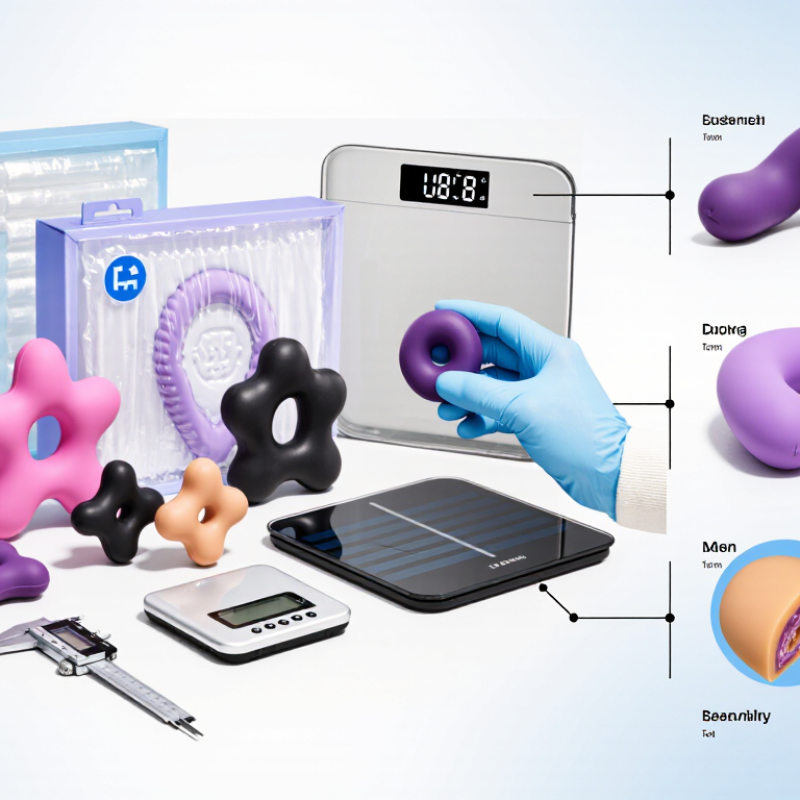
Defining the Big Dildo Product Category
“Big dildo” is a descriptive retail category, not a universal size standard. It usually refers to products with noticeably greater length, girth, or both than a store’s regular-size options. Because sellers may use the term differently, wholesale buyers should check measurements rather than rely on the label alone. A clear listing separates insertable length from total length and gives the widest diameter in consistent units.
Material and construction also shape how customers understand the category. Smooth silicone, firm materials, and flexible designs can feel and handle differently, even when their measurements look similar. Buyers should review product specifications, surface finish, base design, and care instructions. Packaging should protect the item from dust and pressure during storage. Small details matter.
There is no single feature that makes a product “big” for every customer. That is a limitation worth stating plainly. Retailers can make comparisons easier with dimension diagrams, accurate photographs, and neutral descriptions that avoid exaggerated promises. Wholesale assortments may include several sizes, but each option should be labeled consistently. A sample inspection can reveal details a product sheet misses, such as a slippery finish or unexpectedly rigid feel. Check carefully. Clear information helps buyers stock the category responsibly and helps customers choose with realistic expectations.
Wholesale buyers can choose from realistic molded designs, clean minimalist shapes, gently curved profiles, and models with textured surfaces or a stable suction base. Each serves a different preference and display style. Keep the details practical. Product photos should show the shape clearly, while listings should state intended use and care guidance.
Material affects feel, maintenance, and storage. Body-safe silicone is nonporous and generally simple to clean, but buyers should confirm the exact material and compatible cleaners with the supplier. TPE and TPR options may feel softer, yet can be porous and need more careful hygiene. Terms like “premium” are not enough. Ask for material specifications, test records, and batch-quality procedures.
Size labels vary between suppliers. Request measured insertable length, total length, and maximum circumference rather than relying on “large” alone. A simple size range helps customers compare products without guessing. Check dimensions against packaging and shelf space, too. Small details matter. Some specifications may still differ slightly between production runs, so confirm tolerances before placing a bulk order.
| Design | Common Material | Typical Size Options | Wholesale Considerations |
|---|---|---|---|
| Classic smooth | Body-safe silicone or TPE/TPR | Insertable length: about 6–9 in (15–23 cm); maximum diameter: about 1.5–2.2 in (3.8–5.6 cm) | Simple shape with broad appeal. Confirm material details, cleaning instructions, and whether the stated length is total or insertable. |
| Tapered beginner-friendly | Silicone or TPE/TPR | Insertable length: about 5–8 in (13–20 cm); maximum diameter: about 1.3–1.8 in (3.3–4.6 cm) | A narrower tip and gradual increase in width can offer a more approachable profile. Stock more than one diameter where possible. |
| Curved or G-spot style | Firm silicone or ABS with a silicone surface | Insertable length: about 6–8 in (15–20 cm); maximum diameter: about 1.4–2.0 in (3.6–5.1 cm) | Compare curve direction, firmness, and base design. Product descriptions should clearly state which parts are rigid or flexible. |
| Textured or ribbed | Silicone or TPE/TPR | Insertable length: about 6–9 in (15–23 cm); maximum diameter: about 1.6–2.3 in (4.1–5.8 cm) | Texture patterns vary by model. Request accurate photos and measurements so buyers can assess the depth and spacing of the texture. |
| Realistic detailed design | Silicone or TPE/TPR | Insertable length: about 6–9 in (15–23 cm); maximum diameter: about 1.5–2.2 in (3.8–5.6 cm) | Surface detail and firmness affect cleaning and storage needs. Check care instructions and material specifications before listing. |
| Harness-compatible with flared base | Silicone, TPE/TPR, or firm rubber-like materials | Insertable length: about 5–9 in (13–23 cm); maximum diameter: about 1.4–2.2 in (3.6–5.6 cm) | Check base width, shape, and compatibility with the intended harness opening. A flared base is also an important safety feature for anal use. |
| Glass or stainless-steel design | Borosilicate glass or stainless steel | Common lengths: about 6–8 in (15–20 cm); dimensions vary by shape and model | Rigid materials have different handling and care requirements from silicone or TPE/TPR. Verify material grade, finish, and supplier care guidance. |
Size ranges are indicative examples, not universal specifications. Confirm exact measurements, material composition, packaging details, and applicable product-safety requirements with each supplier before placing a wholesale order.
Wholesale buyers choosing large dildos should assess more than size. Compare dimensions, weight, flexibility, and shape against the customers your store serves. A product with a broad base may suit different display and storage needs, while a rigid design can require more careful packaging. Ask suppliers for clear material descriptions, care instructions, and consistent measurements. Request samples when possible. Check seams, surface finish, and packaging before placing a large order. Small flaws are easier to spot in person.
Tips: Confirm minimum order quantities, lead times, and whether product specifications stay consistent between batches. Review local requirements for product labeling and sales. Keep a few units for inspection; photographs can miss details.
Wholesale selection is a balance between customer choice and stock risk. Offer a measured range of sizes and designs rather than filling shelves with near-identical items. Track which products sell, but allow time for slower-moving stock to find its audience. No spreadsheet predicts every trend, and that uncertainty deserves attention. Also compare packaging dimensions, since bulky cartons can affect storage and shipping costs. A lower unit price may not mean a better purchase once those expenses are included.
For wholesale buyers, a large dildo’s size is only one purchasing factor. Consistent material quality matters more across repeat orders. Request a sample and inspect its surface for cracks, rough seams, strong odors, and uneven coloring. Ask for written material specifications and batch-level quality records. Check that dimensions match the product listing, since small differences can affect packaging, storage, and customer expectations. Keep your own notes. Samples can differ from bulk runs.
Safety evaluation should be specific, not vague. Ask how materials are assessed and whether testing documents are current and traceable. Review care instructions, labeling, and protective packaging. Clear answers help; unsupported claims do not. No checklist is perfect. If documents omit dates or test scope, request clarification before placing a large order.
Supplier evaluation also includes communication and consistency. Compare lead times, minimum order quantities, defect policies, and replacement procedures. Confirm that cartons protect products from dust and damage during transit. Start with a modest order when practical, then compare delivered units with the approved sample. A low price may leave little room for careful inspection. Reliable sourcing takes patience, and the fastest quote is not always the best choice.
Inventory, Pricing, and Market Considerations
Wholesale buyers should assess dimensions, materials, and packaging before placing a large order. Bigger products may need wider shelf space and sturdier cartons. Check product measurements against storage and shipping limits, rather than relying on photos. Demand can shift. Review sales patterns and customer feedback before choosing a stock mix. A few sizes may sell steadily, while less common options sit longer than expected.
Tips: Request a sample when possible. Check surface finish, packaging strength, and listed dimensions. Compare unit costs alongside shipping, storage, and return expenses. Start small. Reorder after tracking actual sales, not just early interest.
Pricing decisions should include the full landed cost, including freight and handling. Ask suppliers about minimum quantities, lead times, and how they manage damaged goods. Keep product descriptions factual and clear, especially when explaining size and material. A lower unit price can look attractive, but excess stock ties up cash and space. Even careful forecasts miss local preferences, so leave room to adjust. Review inventory regularly and revise orders when sell-through differs from expectations.
Compare listed dimensions with storage space, shelf width, and shipping limits. Photos can be misleading.
Inspect the surface for cracks, rough seams, strong odors, and uneven color. Samples may differ from bulk orders.
Request written material specifications and current, traceable testing records. Check dates and testing scope.
Review lead times, minimum order quantities, defect policies, and replacement procedures. Clear communication matters.
Check whether cartons protect products from dust and damage. Larger items may need sturdier cartons.
Review sales patterns and customer feedback before choosing a stock mix. Some sizes may sit longer than expected.
Include freight, handling, storage, and possible returns. A low unit price can still tie up cash.
Start small. Compare delivered units with the approved sample, then track sales before reordering. Forecasts can still be wrong.
Big Dildo products cover a range of larger-format personal wellness items, with options that vary in shape, length, thickness, flexibility, and intended use. Common designs may include realistic or minimalist forms, while materials and finishes influence comfort, durability, cleaning, and overall product appeal. For wholesale buyers, choosing a balanced selection means considering customer preferences, available size options, clear product information, and packaging suitable for storage and retail presentation.
Before placing an order, buyers should assess material quality, construction, safety information, supplier communication, and consistency between samples and bulk production. Inventory planning can account for demand across different designs and price points, while pricing decisions should include shipping, storage, and expected margins. A careful approach to supplier evaluation and stock management can help wholesale buyers build a reliable assortment that meets market needs without sacrificing product quality or customer confidence.

9SEXY